
Can Young People Get Gum Disease Shattering Age Myths
Can Young People Get Gum Disease? Shattering the Age Myth
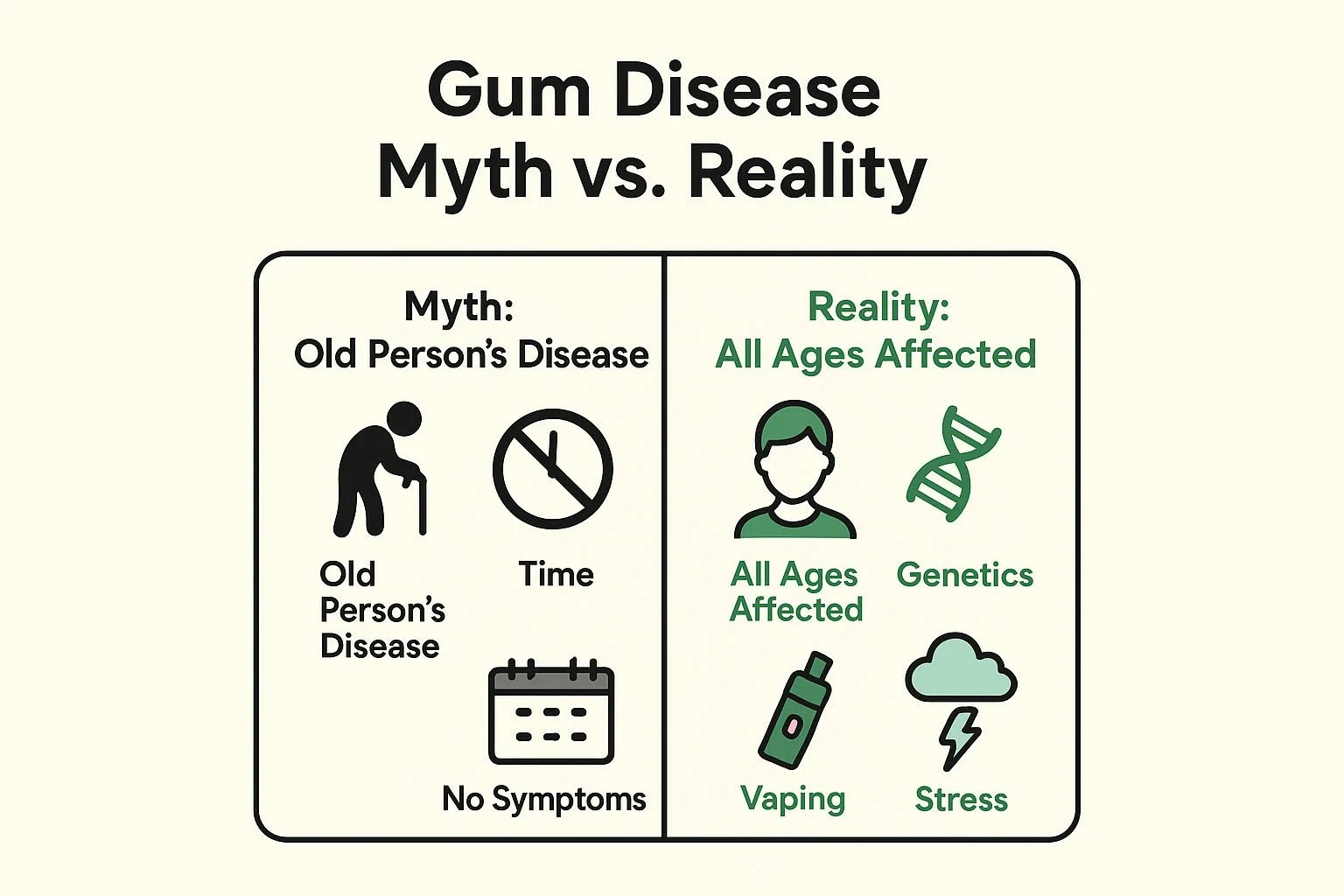
You look in the mirror while brushing your teeth, spit out the toothpaste, and notice a streak of pink. Your immediate thought is likely to shrug it off. After all, isn't gum disease something that happens to grandparents? Isn't it a condition reserved for those wearing dentures or dealing with decades of wear and tear?
This assumption is one of the most dangerous myths in dental health.
The reality is starkly different. While we often associate periodontal issues with ageing, biology doesn't check your birth date before bacteria begin to accumulate. In fact, according to the Centers for Disease Control and Prevention (CDC), 47.2% of adults aged 30 years and older have some form of periodontal disease. That isn't "old age"—that is young adulthood.
Understanding that gum health is about biology, lifestyle, and genetics—not just age—is the first step toward protecting your smile for the long term.
The Silent Progression: From Inflammation to Infection
To understand why young people are at risk, we first need to strip away the jargon and look at what gum disease actually is. It is an infection of the tissues that hold your teeth in place. It typically doesn't hurt in the early stages, which is why so many young people ignore the common signs of gum disease until the damage is significant.
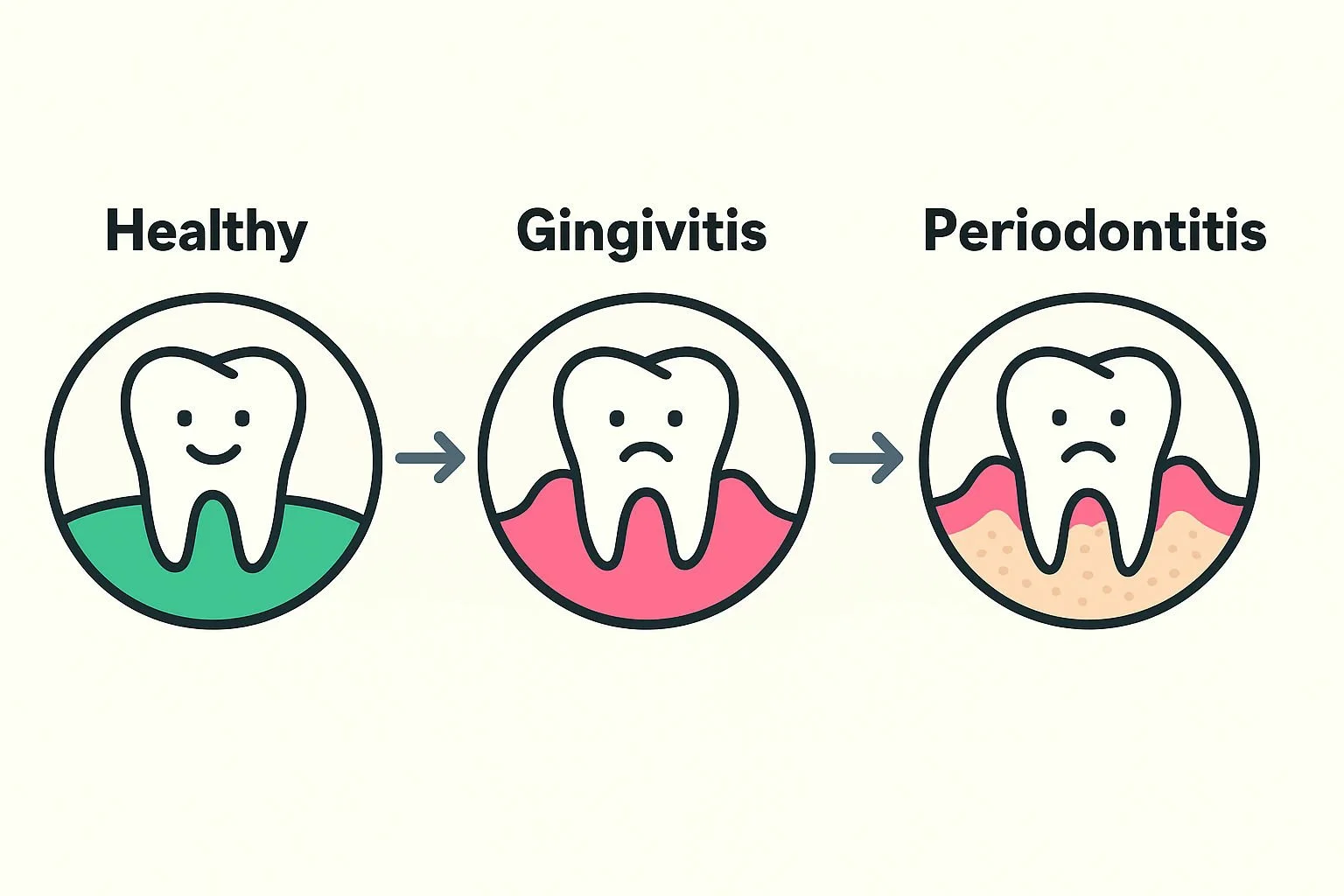
The disease generally follows a specific path, regardless of your age:
1. Gingivitis (The Warning Shot)
This is the earliest stage. It is caused by plaque buildup—a sticky film of bacteria—on your teeth. You might notice your gums look a bit redder than usual or bleed easily when you floss. The good news? At this stage, the condition is usually reversible with improved hygiene and professional cleaning.
2. Periodontitis (The Real Threat)
If gingivitis is ignored, it advances to periodontitis. The inner layer of the gum and bone pull away from the teeth and form spaces. These are known as gum pockets, and they collect debris and become infected. As your body's immune system fights the bacteria, the bone and connective tissue that hold teeth in place start to break down. This damage is permanent.
Why Youth Isn't a Shield: The Risk Factors
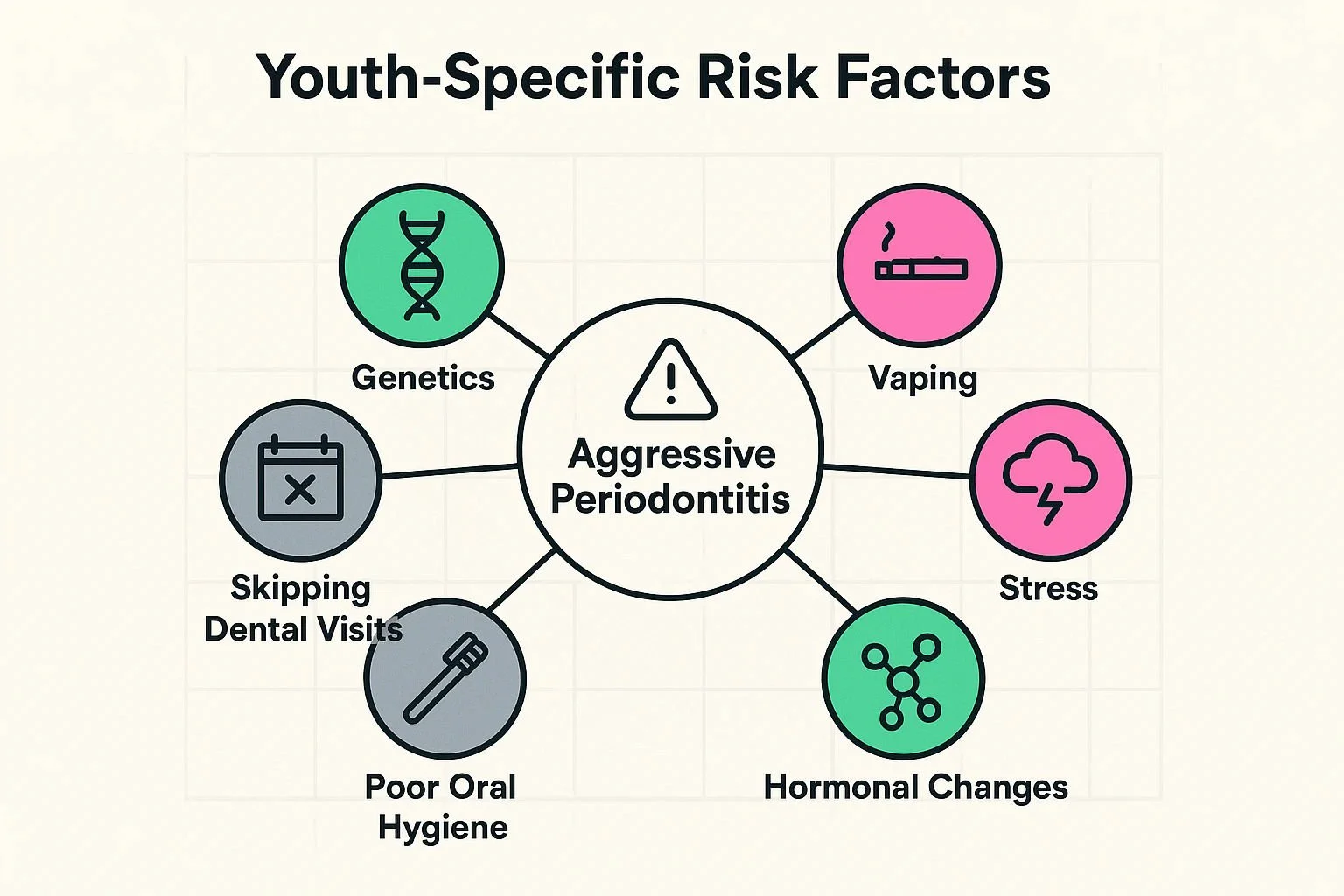
If you brush twice a day, why should you worry? Unfortunately, hygiene is only one piece of the puzzle. For young adults and teens, there are specific "force multipliers" that can trigger gum disease even in those with decent brushing habits.
The Hormone Factor
Puberty, menstruation, and pregnancy cause hormonal fluctuations that increase blood flow to the gums and change the way gum tissue reacts to the bacteria in plaque. This can result in "puberty gingivitis," where gums become swollen, red, and tender. Young women taking oral contraceptives may also experience similar sensitivity.
The Stress Connection
Whether it is university exams, career pressure, or social anxiety, chronic stress wreaks havoc on the immune system. Stress causes the body to release cortisol, a hormone that acts as an anti-inflammatory but also suppresses the immune system's ability to fight off the bacteria causing gum infection.
The Genetic Lottery
Have you ever heard a parent or grandparent talk about "soft teeth"? While the term isn't medically accurate, the sentiment is real. Up to 30% of the population may be genetically susceptible to gum disease. If your family has a history of tooth loss, you are biologically predisposed to periodontal issues, meaning your gums might react more aggressively to bacteria than your friend's do, even if you brush just as often.
The Hidden Villain: Aggressive Periodontitis
While chronic gum disease progresses slowly, there is a specific, rapid form of the disease that targets young people who are otherwise healthy. This is formerly known as Aggressive Periodontitis.
Unlike the slow progression seen in older adults, this form attacks the ligaments and bone supporting the teeth with alarming speed. It can begin in the late teens or early 20s and often affects the first molars and incisors. Because it moves so quickly, early detection is vital. If you notice your teeth shifting or feeling loose at a young age, this isn't normal "settling"—it is a red flag that requires immediate attention from a periodontal expert.
The Modern Risk: Vaping and Oral Health
Perhaps the most significant new variable in gum health for young people is vaping. While many view e-cigarettes as a safer alternative to smoking, the impact on oral health is significant and deceptive.
Nicotine, regardless of how it is delivered, acts as a vasoconstrictor. This means it narrows the blood vessels in your gum tissue. Healthy gums bleed when they are infected—it’s your body's alarm system. However, because nicotine restricts blood flow, it can mask this bleeding. You might have active gum disease but no "pink in the sink," leading you to believe your mouth is healthy while the infection silently destroys bone.
Furthermore, the heat and chemicals in aerosols can dry out the mouth (xerostomia). Saliva is your mouth's natural defense against bacteria; without it, bacteria thrive, accelerating decay and gum infection.
Taking Control: Prevention and Treatment
The realisation that gum disease affects the young isn't meant to be frightening—it is meant to be empowering. When you know the risks, you can take control.
Look Deeper: Don't just rely on a visual check. With Duo-Lase, we emphasize microbiological testing to identify exactly which bacteria are present in your mouth. Knowing the specific enemy allows for targeted treatment.
Don't Ignore Bleeding: If you bleed when you floss, don't stop flossing—it means you need to floss more (gently) and see a dentist.
Know Your Family History: Ask your parents about their dental history. If they struggled with gum disease, be proactive with your own care.
Embrace Technology: If treatment is needed, the days of painful surgery are largely behind us. Modern solutions like Duolase utilize light energy to eliminate bacteria and stimulate healing without the need for scalpels or sutures, making it an ideal option for patients who want to get back to their busy lives immediately.
Frequently Asked Questions
Q: Is gum disease contagious?
A: Strictly speaking, gum disease itself isn't contagious, but the bacteria that cause it are. Many young people wonder, can you catch gum disease from kissing? The answer is yes, you can transfer periodontal bacteria through saliva. If your partner has poor oral hygiene, it can increase your risk, especially if your immune system is already compromised.
Q: Can gum disease be cured?
A: Gingivitis (the early stage) is curable and reversible. Periodontitis (the later stage) cannot be "cured" in the sense that lost bone will naturally grow back on its own without help, but it can be managed and halted. With advanced treatments, we can stop the progression and, in some cases, help regenerate tissue.
Q: My gums don't bleed, so I'm safe, right?
A: Not necessarily. As mentioned regarding vaping and smoking, nicotine can mask bleeding. Additionally, deep pockets of infection can exist below the gumline without causing immediate surface bleeding. Regular screenings are the only way to be 100% sure.
The Next Step in Your Health Journey
Your oral health is a window to your overall well-being. By acknowledging that gum disease is a risk at any age, you are already ahead of the curve. Whether it is stress management, quitting vaping, or simply scheduling that overdue check-up, taking action now can save your natural teeth for decades to come.
If you are concerned about symptoms or simply want to understand your risk profile better, consider speaking with a dental professional who utilizes microscopic diagnostics to give you the full picture of your oral health.