
Pregnancy Gingivitis or Periodontitis What to Know
Pregnancy Gingivitis vs. Periodontitis: What Expecting Mothers Need to Know About Gum Health
Seeing pink in the sink when you brush can be alarming at the best of times. But when you are expecting, every new symptom brings a wave of questions: Is this normal? Is it safe to treat? Will it affect the baby? If you are noticing that your gums are tender, swollen, or bleeding more easily, you are certainly not alone. It is estimated that up to 75% of pregnant women experience some form of gum inflammation.
However, there is a distinct difference between common, hormonally driven inflammation and more serious conditions that require attention. While it is easy to dismiss bleeding gums as just another symptom of pregnancy, understanding the reality of your oral health is vital. We need to move past the myths about gum disease that suggest tooth loss is inevitable or that dental treatment is unsafe during pregnancy. In reality, maintaining your gum health is one of the most proactive things you can do for both yourself and your developing baby.
The Hormone Connection: Why Now?
To understand what is happening in your mouth, we have to look at your blood chemistry. During pregnancy, your body experiences a surge in hormones, specifically oestrogen and progesterone. These hormones are essential for your baby’s growth, but they also have a side effect on your gum tissue.
Progesterone, in particular, increases the blood flow to your gum tissue, making it more sensitive and prone to swelling. It can also alter how your gum tissue reacts to the bacteria found in plaque. Essentially, your gums might overreact to plaque levels that, prior to pregnancy, wouldn't have caused an issue. If you are wondering why do my gums bleed when I brush my teeth now when they didn't before, the answer lies in this heightened inflammatory response. The bacteria haven't necessarily changed, but your body's defense system has gone into overdrive.
Distinguishing the Diagnosis: Gingivitis vs. Periodontitis
While hormones set the stage, the actual condition of your gums can fall into two distinct categories. Understanding the difference between gingivitis and normal bleeding gums—and knowing when it has progressed to periodontitis—is crucial for your long-term oral health.
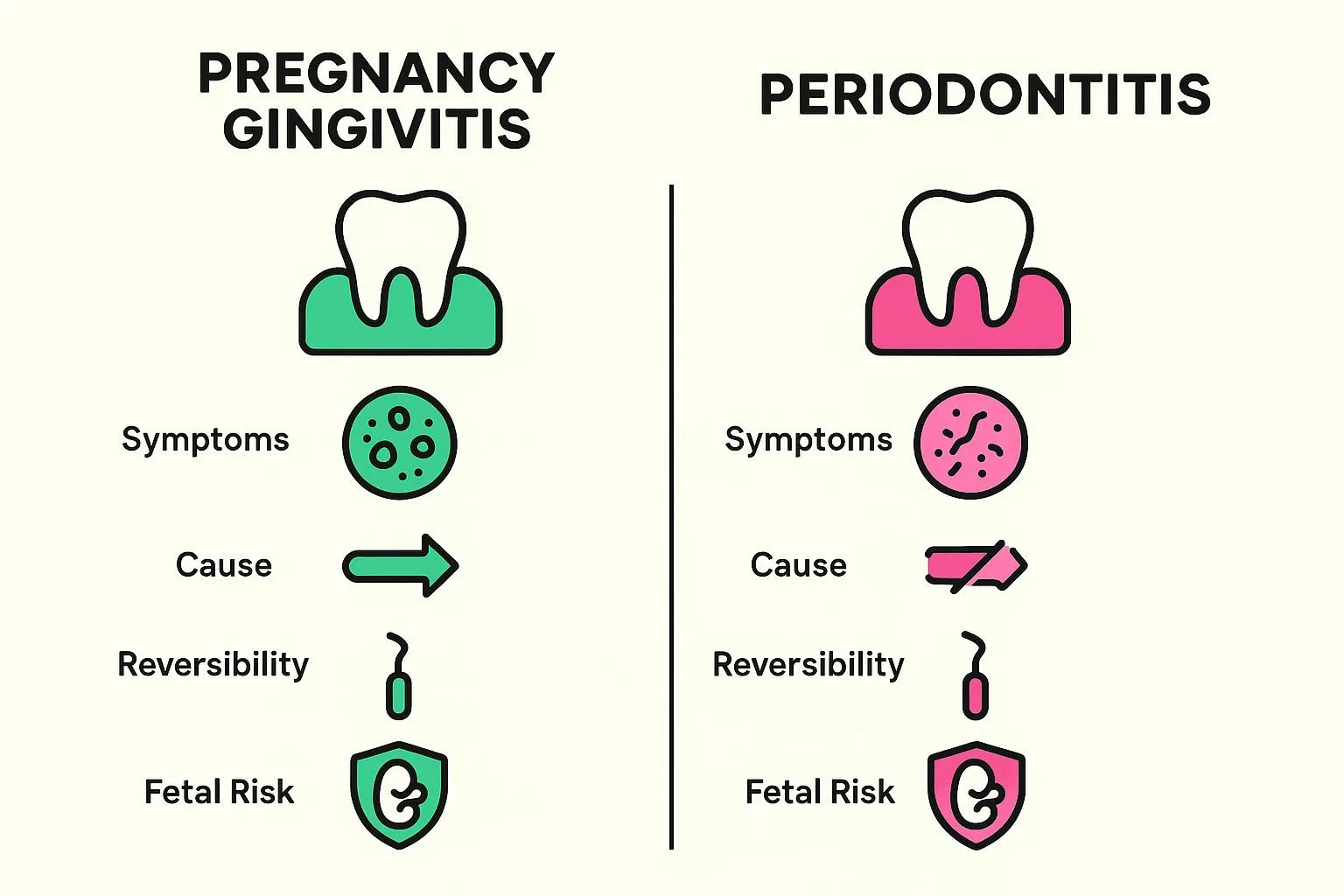
Pregnancy Gingivitis
This is the most common issue expecting mothers face. It is characterized by inflammation of the gums caused by plaque accumulation, exacerbated by hormonal changes.
Symptoms: Red, swollen, or tender gums that bleed easily during brushing or flossing.
Reversibility: The good news is that pregnancy gingivitis is reversible. With improved home care and professional cleanings, the inflammation can be managed, and the gums can return to health, especially after the baby is born and hormone levels stabilize.
Periodontitis
Periodontitis is a more serious, chronic infection that damages the soft tissue and bone supporting the tooth. In some cases, untreated pregnancy gingivitis can progress to this stage, or pre-existing gum disease can worsen rapidly due to pregnancy changes.
The Danger Zone: unlike gingivitis, periodontitis involves destruction that is not reversible (though it can be halted). As the gums pull away from the teeth, they form gum pockets. Bacteria trapped in these pockets can lead to bone loss.
The Risks: If left unchecked, this can advance to stage 3 periodontal disease or "moderate periodontitis," where the stability of the teeth is compromised. Furthermore, research has suggested links between active periodontal disease and adverse pregnancy outcomes, such as preterm birth and low birth weight, making treatment essential.
Myth-Busting: Is Dental Care Safe?
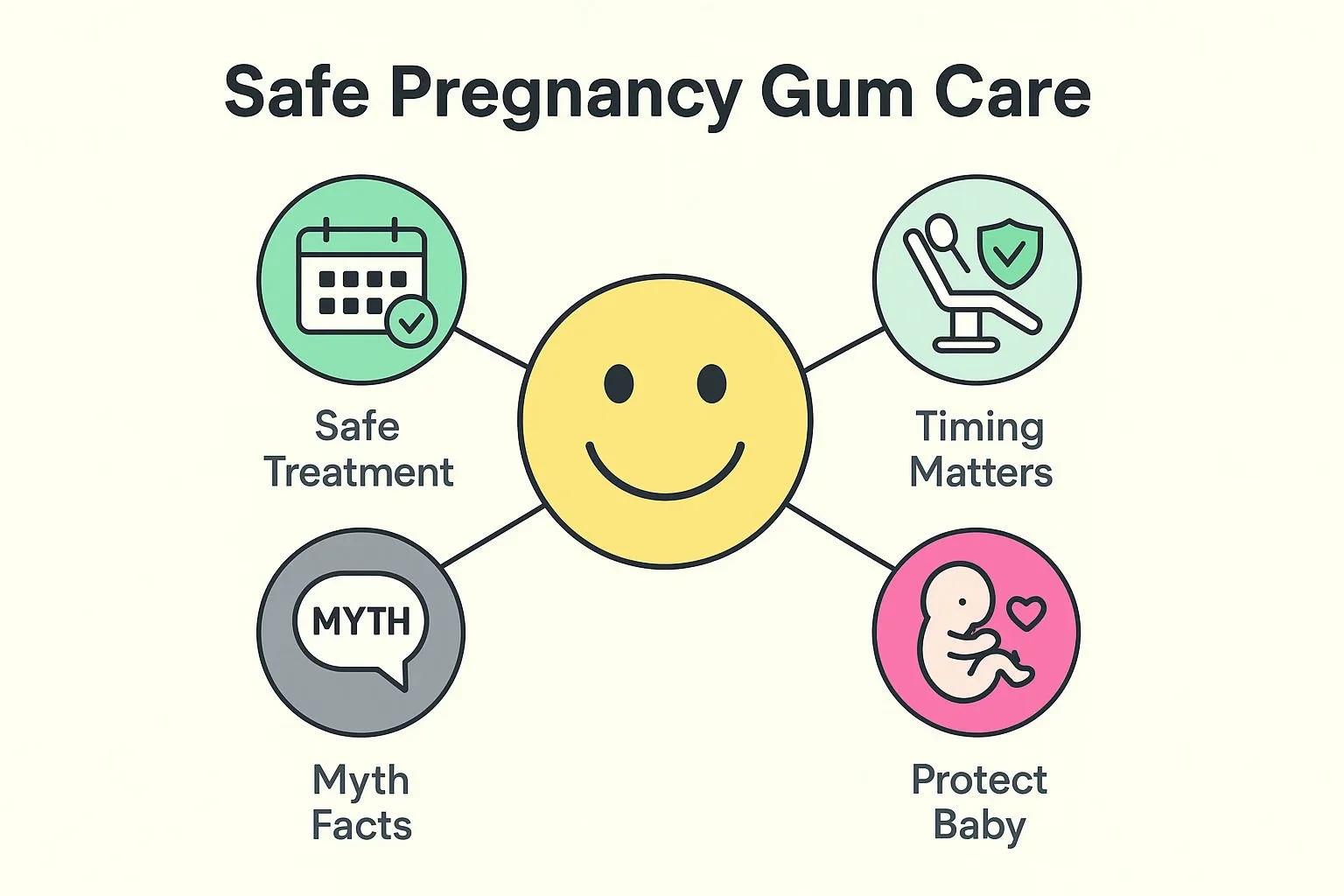
Perhaps the biggest barrier to treatment is fear. Many women have been told that dental work should be avoided during pregnancy or that local anaesthetics could harm the baby. It is time to set the record straight: Professional dental care is not only safe during pregnancy, it is recommended by major health organizations, including the American College of Obstetricians and Gynecologists (ACOG).
Common Misconceptions
Myth: "The baby steals calcium from my teeth, causing them to become loose."
Fact: Your baby gets calcium from your diet, not your teeth. Loose teeth are often a sign of advanced gum disease (periodontitis) weakening the bone support, not calcium deficiency.
Myth: "I should wait until after delivery to treat my gums."
Fact: Delaying treatment allows bacteria to multiply and inflammation to spread. The second trimester is often cited as the ideal time for routine procedures because nausea has usually subsided, and the uterus is not yet large enough to make lying in the dental chair uncomfortable—but emergency gum care is safe at any stage.
Safe Treatment Options at Behrens Dental Practice
If you are diagnosed with gum disease during pregnancy, the goal is to reduce bacteria and inflammation without invasive surgery. At The Behrens Dental Practice, our periodontal experts focus on safe, effective therapies that protect both mother and child.
For patients with deeper issues, such as moderate periodontitis, traditional surgery is usually postponed. However, non-invasive therapies like Duo-Lase™ can be an excellent alternative. This therapy uses light energy to target bacteria and stimulate healing without the need for cutting or sutures, minimizing stress on the body.
Our approach includes:
Microbiological Testing: We identify the specific bacteria causing the infection to tailor the safest treatment.
Bio-Stimulation: Using laser energy to encourage tissue repair and reduce inflammation naturally.
Regular Monitoring: More frequent hygiene visits to keep hormone-induced inflammation in check.
For those looking for a periodontist in Chelsea or the surrounding London area, finding a practice that understands the nuance of prenatal physiology is key to peace of mind.
Your Action Plan for a Healthy Pregnancy
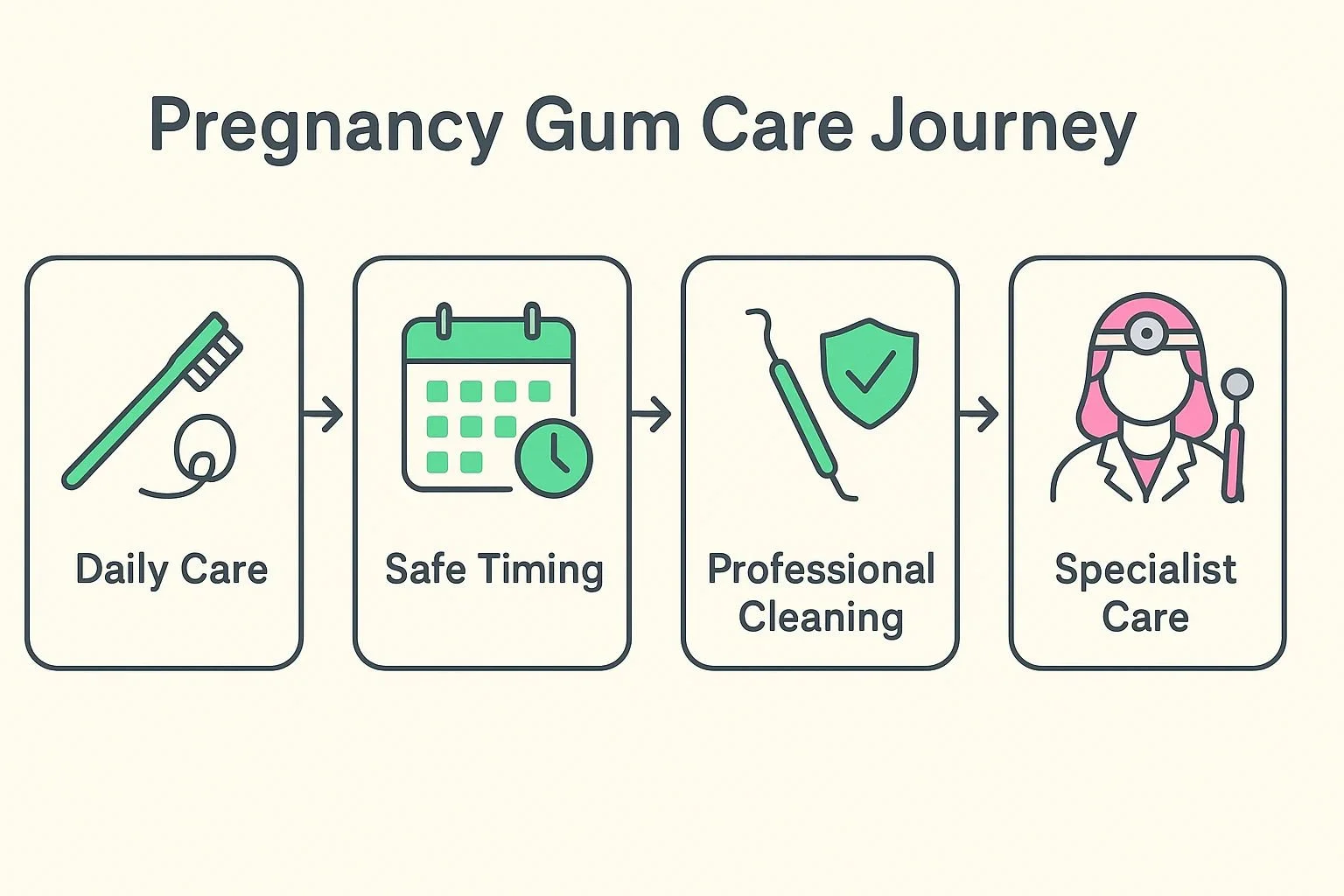
Managing your oral health is manageable with a consistent routine. Here is a simple checklist to keep your gums healthy while you prepare for your new arrival:
Upgrade Your Home Care: Brush twice a day with a soft-bristled brush and floss daily. If flossing causes bleeding, do not stop—it is a sign you need to clean that area more, not less.
Schedule a Prenatal Dental Check-up: Ideally in your second trimester, or as soon as you notice symptoms. Inform your dentist that you are pregnant.
Watch for Warning Signs: If you notice common signs of gum disease like persistent bad breath, receding gums, or loose teeth, seek professional advice immediately.
Nutrition Matters: A balanced diet rich in Vitamins C and B12 helps support gum tissue and overall health.
Frequently Asked Questions
Q: Will pregnancy gingivitis go away on its own?
A: Usually, the severity of the inflammation subsides after delivery when hormone levels normalize. However, if the underlying plaque and tartar are not removed, the gingivitis may persist or progress into periodontitis.
Q: Is it safe to have an X-ray while pregnant?
A: Yes, modern dental X-rays use extremely low radiation doses. With a protective lead apron and thyroid collar, they are considered safe for pregnant women and are essential for diagnosing what is happening beneath the gum line.
Q: Can gum disease really affect my baby?
A: Research indicates an association between severe periodontitis and an increased risk of preterm birth and low birth weight. Treating gum inflammation reduces the bacterial load in your body, which supports a healthier pregnancy environment.
Q: I have heard the term "pregnancy tumor." What is that?
A: This sounds frightening, but it is benign. A "pyogenic granuloma" is a small, non-cancerous, red growth on the gums that bleeds easily. It is an extreme inflammatory reaction to plaque. They usually disappear after birth but can be removed by a dentist if they cause discomfort.
Taking the Next Step
Your journey to motherhood involves many preparations, and ensuring your mouth is healthy is a foundational part of that process. Whether you are dealing with mild sensitivity or are concerned about what is gum disease progression looking like in your specific case, professional guidance can alleviate your anxiety.
By addressing gum health now, you are not just saving your teeth—you are paving the way for a healthier start for your baby. If you have concerns, our team at Behrens Dental Practice is here to provide gentle, safe, and expert care tailored to this special time in your life.